TOKYO HIKING
TOKYO HIKING

Contact us.

Location

Google map

Lost in Akita’s headwater | Sawanobori around Mt. Torage

Lost in Akita’s headwater | Sawanobori around Mt. Torage

In mid‑July, we went on a Sawanobori adventure in Akita, near Mt. Torage. In the end, the trip wasn’t successful, as we couldn’t reach Mt. Torage or any of the usual milestones, such as the wild hot spring along the stream or the Iwana trout fishing spots. Still, we immersed ourselves in the wilderness of Akita, far from maintained trails or any trace of civilization.
In fact, both I and another member injured our Achilles tendons during the tough climb out of the headwaters. Even so, those two days gave us a real sense of accomplishment and the feeling of having experienced a true adventure.

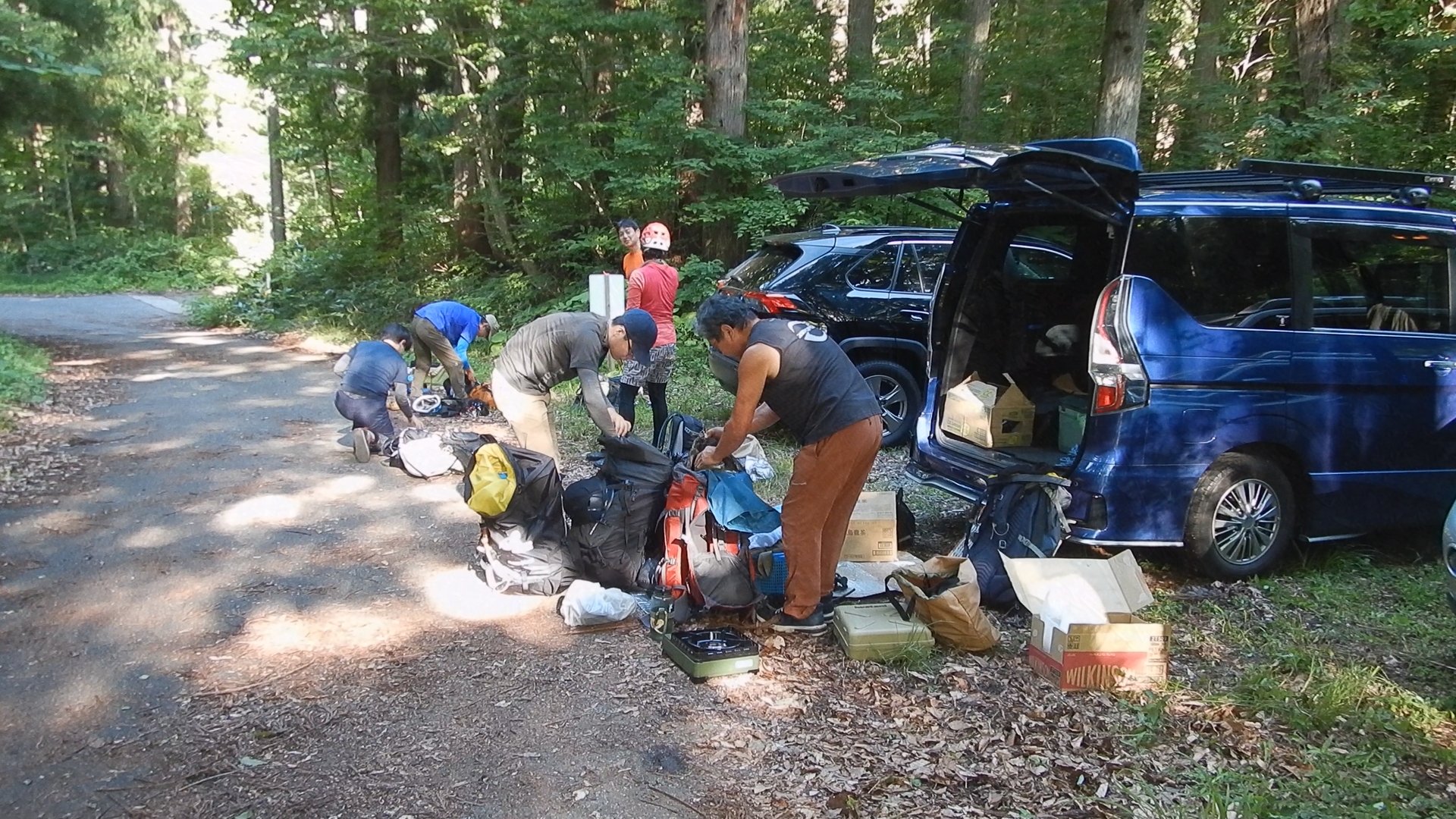
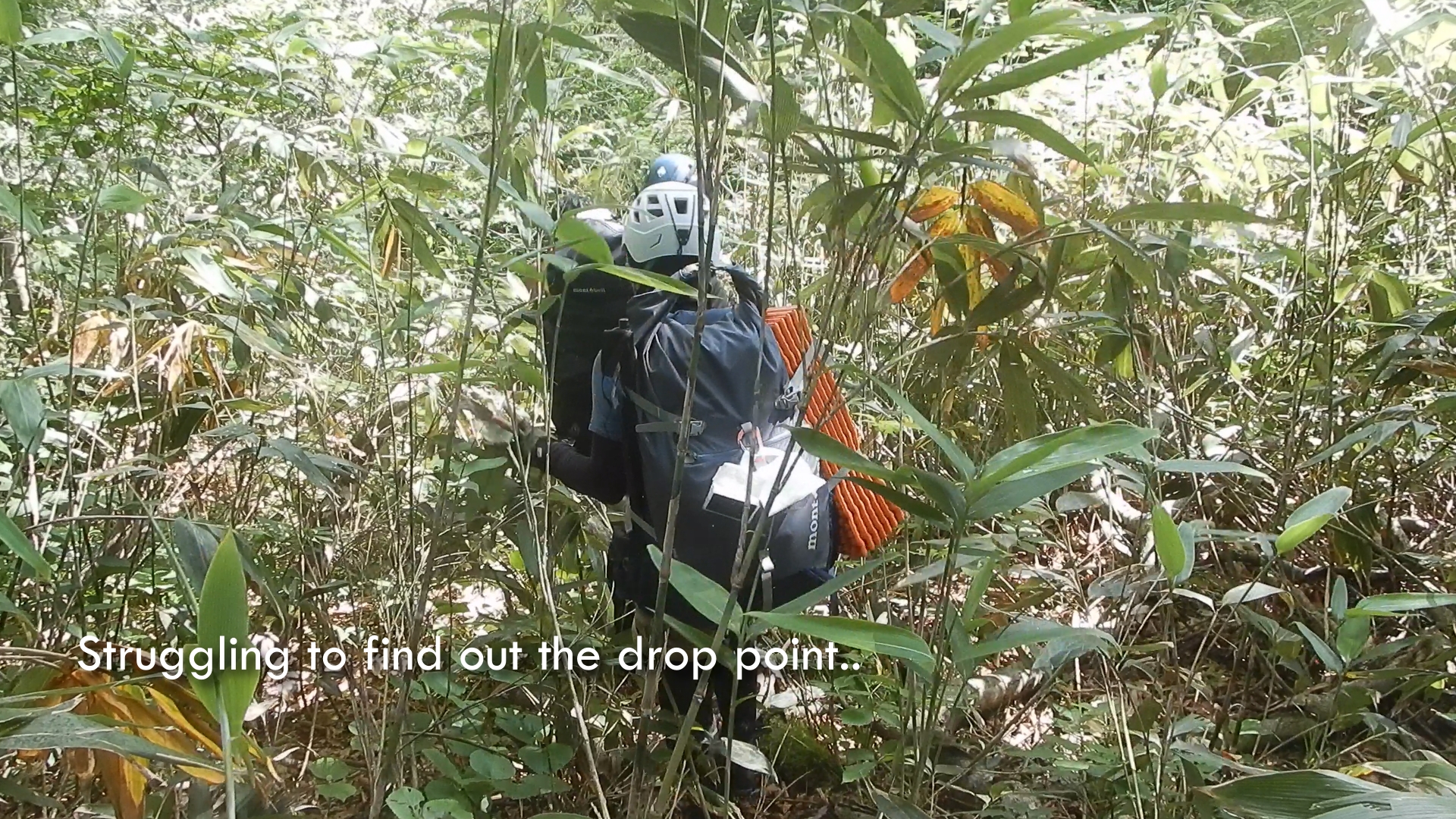
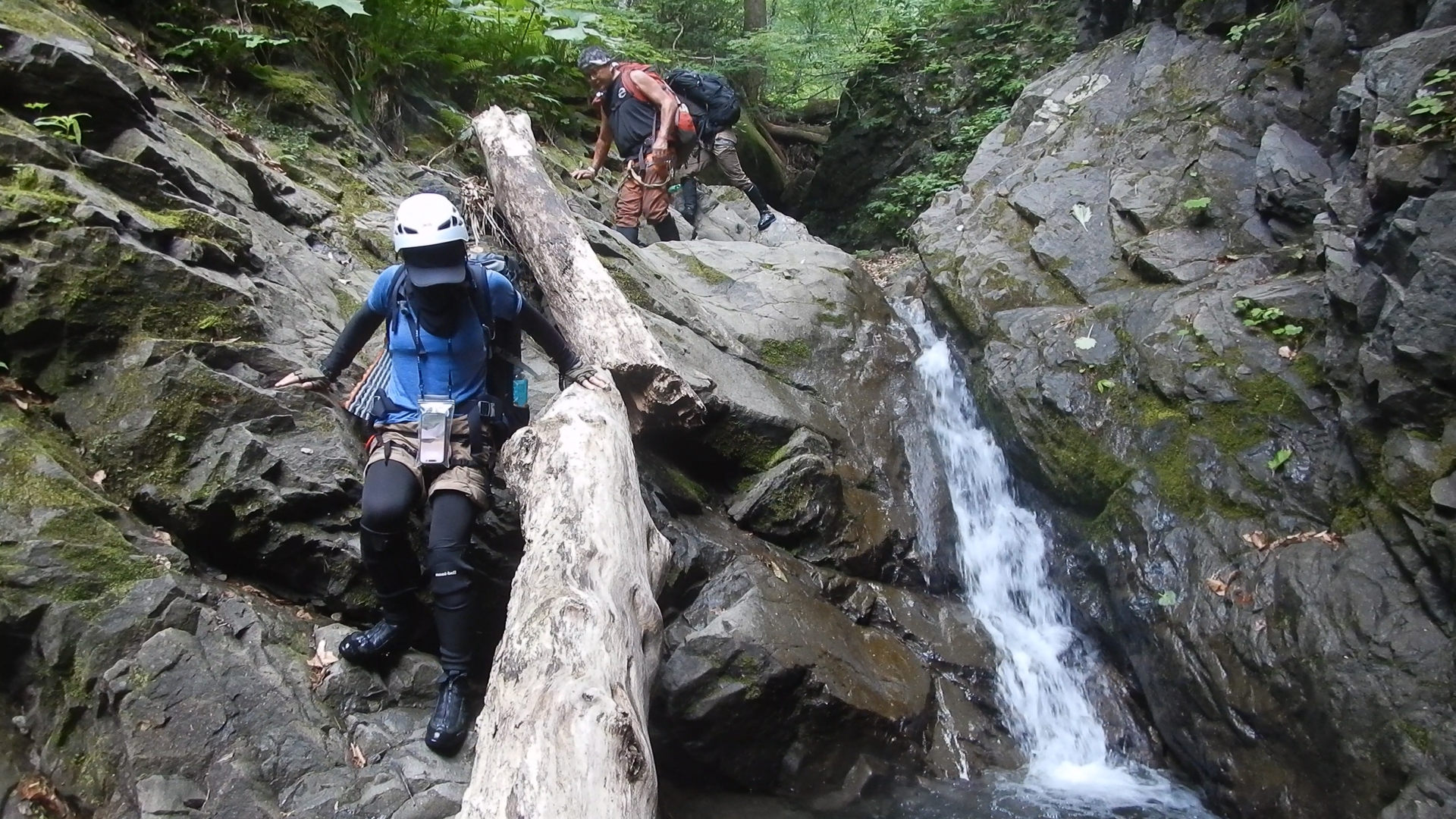
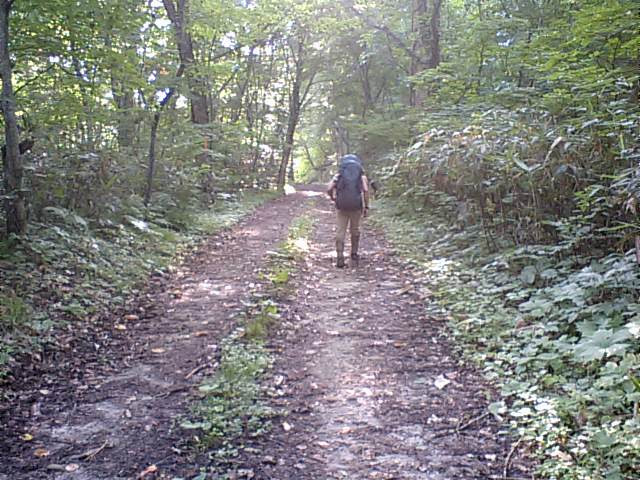
We approached the stream from the former Yunomata Onsen, now a ruin of an old hot‑spring facility, and climbed up to the ridge between Mt. Takamatsu and Mt. Torage. According to the hiking map, we expected a trail to be available, but it hadn’t been maintained for at least five years and was heavily overgrown. It took us more than twice the expected time to reach the drop‑in point for our target stream, the left tributary of the Akayumata. Because of that delay, we had already given up on reaching Mt. Torage the next day and had to start thinking about a Plan B to get out of the wilderness. 01
We approached the stream from the former Yunomata Onsen, now a ruin of an old hot‑spring facility, and climbed up to the ridge between Mt. Takamatsu and Mt. Torage. According to the hiking map, we expected a trail to be available, but it hadn’t been maintained for at least five years and was heavily overgrown. It took us more than twice the expected time to reach the drop‑in point for our target stream, the left tributary of the Akayumata. Because of that delay, we had already given up on reaching Mt. Torage the next day and had to start thinking about a Plan B to get out of the wilderness. 02
We approached the stream from the former Yunomata Onsen, now a ruin of an old hot‑spring facility, and climbed up to the ridge between Mt. Takamatsu and Mt. Torage. According to the hiking map, we expected a trail to be available, but it hadn’t been maintained for at least five years and was heavily overgrown. It took us more than twice the expected time to reach the drop‑in point for our target stream, the left tributary of the Akayumata. Because of that delay, we had already given up on reaching Mt. Torage the next day and had to start thinking about a Plan B to get out of the wilderness.
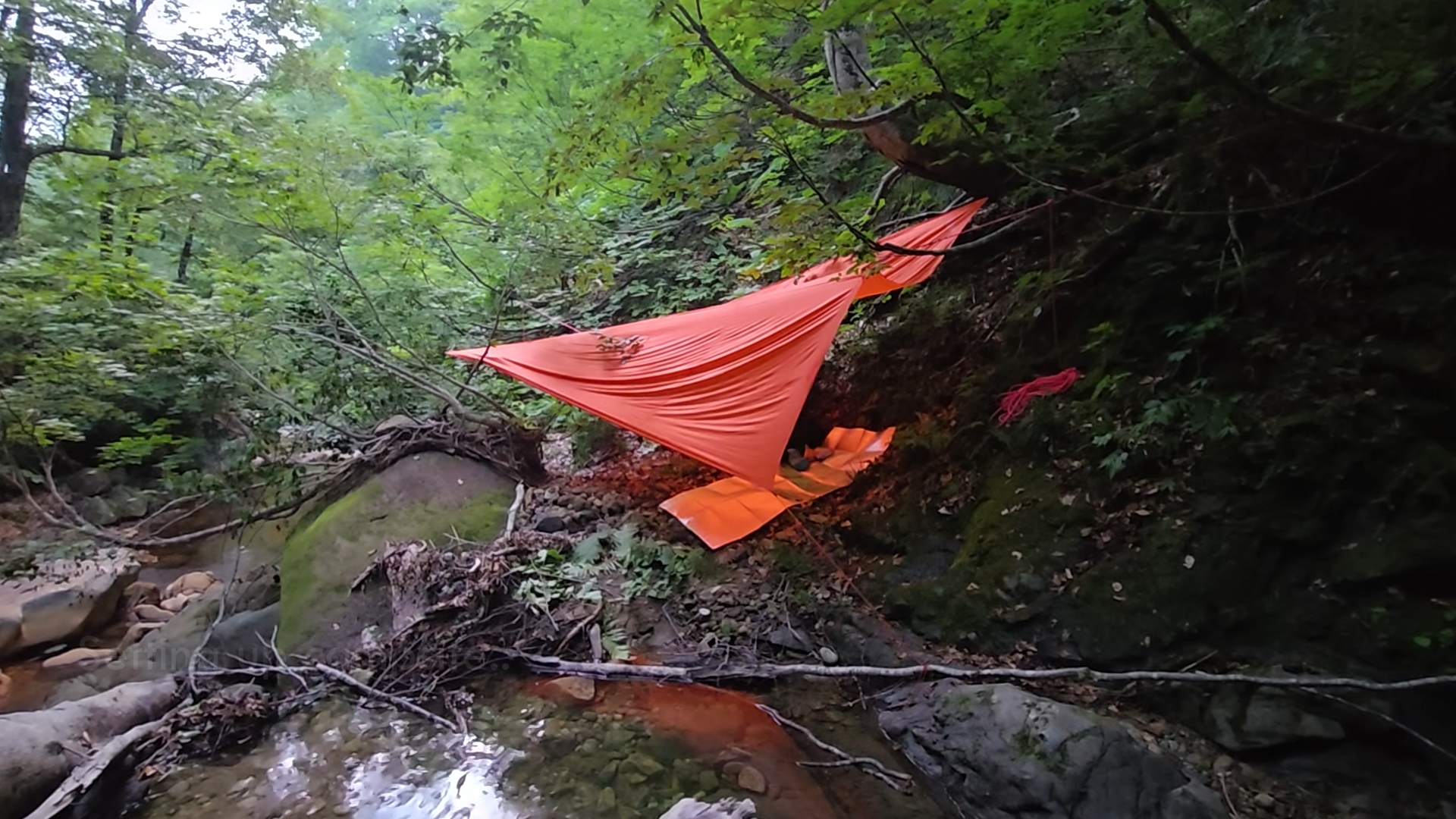
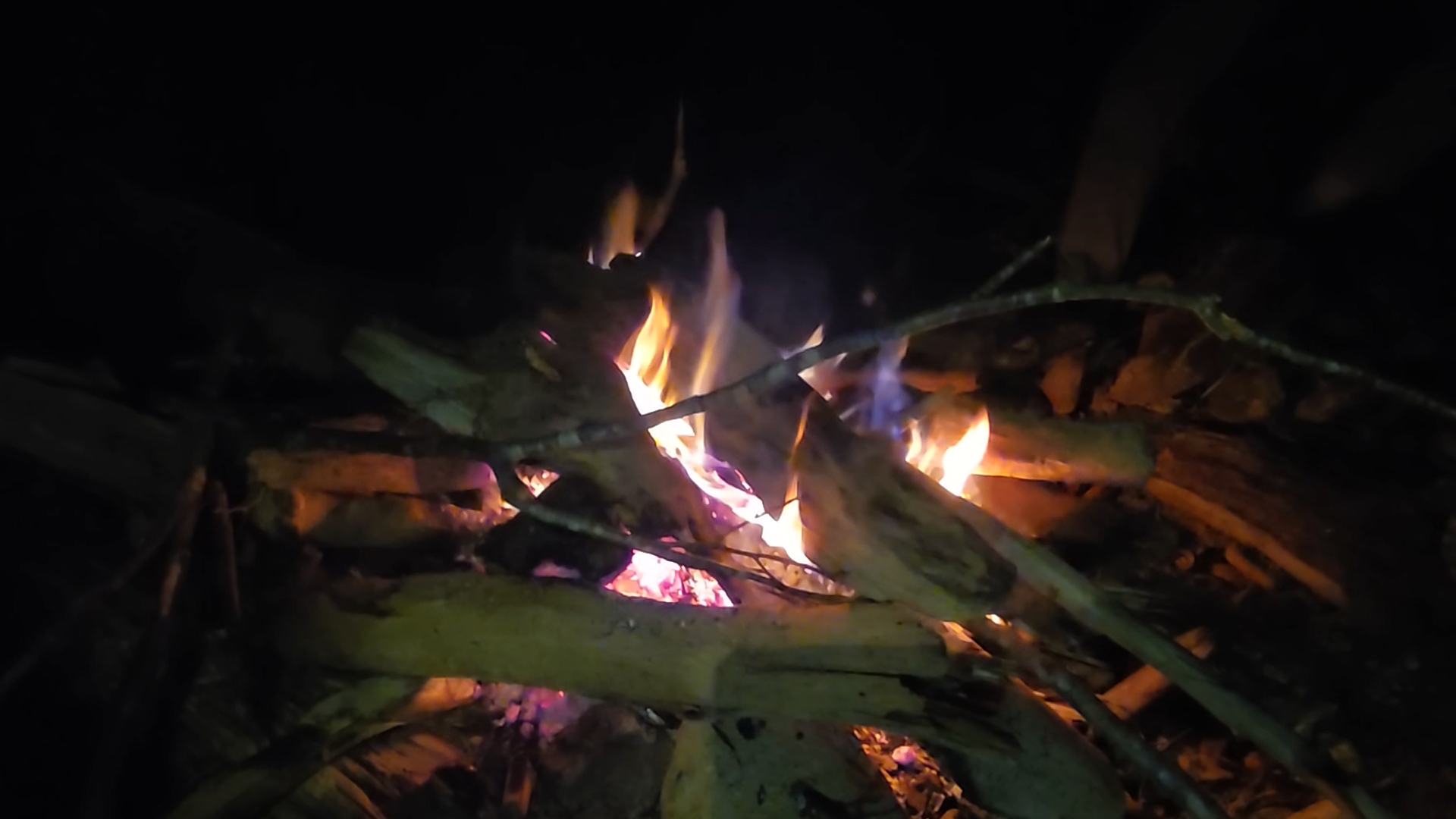
Eventually, we were able to enjoy a night at our campsite. We reached the junction between the left and right tributaries of the Akayumata, where there was a small flat area suitable for sleeping. Since there were no other parties in the area, we had no trouble gathering as much firewood as we wanted for the campfire.<br />
<br />
Unfortunately, the stream was contaminated by sulfur‑rich hot spring water, and no Iwana trout lived there, so we couldn’t enjoy any fish dishes for dinner. 01
Eventually, we were able to enjoy a night at our campsite. We reached the junction between the left and right tributaries of the Akayumata, where there was a small flat area suitable for sleeping. Since there were no other parties in the area, we had no trouble gathering as much firewood as we wanted for the campfire.<br />
<br />
Unfortunately, the stream was contaminated by sulfur‑rich hot spring water, and no Iwana trout lived there, so we couldn’t enjoy any fish dishes for dinner. 02
Eventually, we were able to enjoy a night at our campsite. We reached the junction between the left and right tributaries of the Akayumata, where there was a small flat area suitable for sleeping. Since there were no other parties in the area, we had no trouble gathering as much firewood as we wanted for the campfire.

Unfortunately, the stream was contaminated by sulfur‑rich hot spring water, and no Iwana trout lived there, so we couldn’t enjoy any fish dishes for dinner.
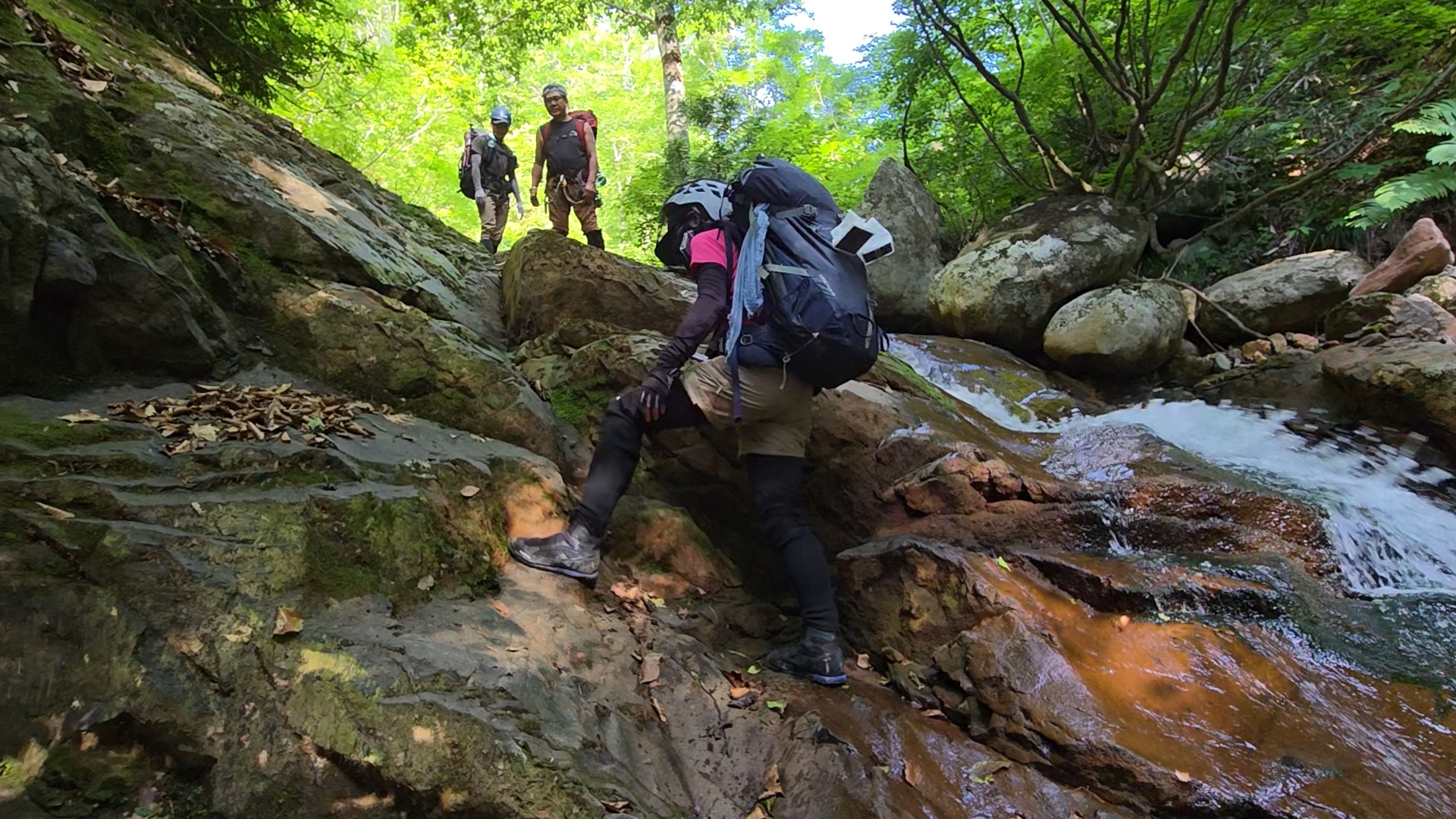
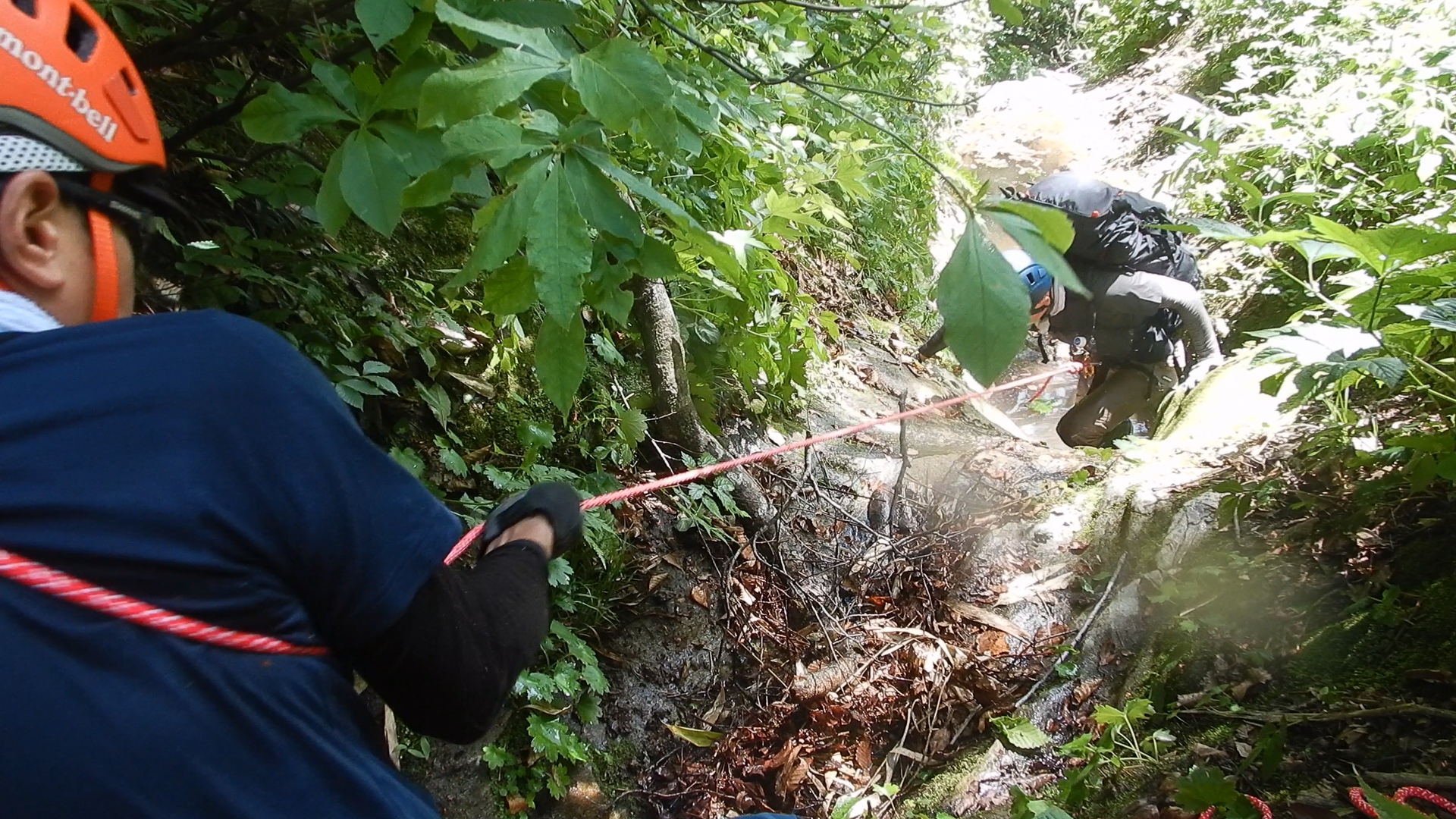
The next day, we climbed up the right tributary of the Akayumata to return to our entry point, but it turned into a real adventure. The final 500 meters to the ridge were especially tough, heavily overgrown with dense undergrowth and steep enough to require solid climbing skills, so it took us much longer than expected. Two of the four members were injured after the climbing section, and we finally made it back to the entry point around 8:00 PM, in the dark.<br />
<br />
Still, we made it out alive with only limited injuries. Given the circumstances, it was the greatest achievement we could have hoped for on such an adventure. 01
The next day, we climbed up the right tributary of the Akayumata to return to our entry point, but it turned into a real adventure. The final 500 meters to the ridge were especially tough, heavily overgrown with dense undergrowth and steep enough to require solid climbing skills, so it took us much longer than expected. Two of the four members were injured after the climbing section, and we finally made it back to the entry point around 8:00 PM, in the dark.<br />
<br />
Still, we made it out alive with only limited injuries. Given the circumstances, it was the greatest achievement we could have hoped for on such an adventure. 02
The next day, we climbed up the right tributary of the Akayumata to return to our entry point, but it turned into a real adventure. The final 500 meters to the ridge were especially tough, heavily overgrown with dense undergrowth and steep enough to require solid climbing skills, so it took us much longer than expected. Two of the four members were injured after the climbing section, and we finally made it back to the entry point around 8:00 PM, in the dark.

Still, we made it out alive with only limited injuries. Given the circumstances, it was the greatest achievement we could have hoped for on such an adventure.
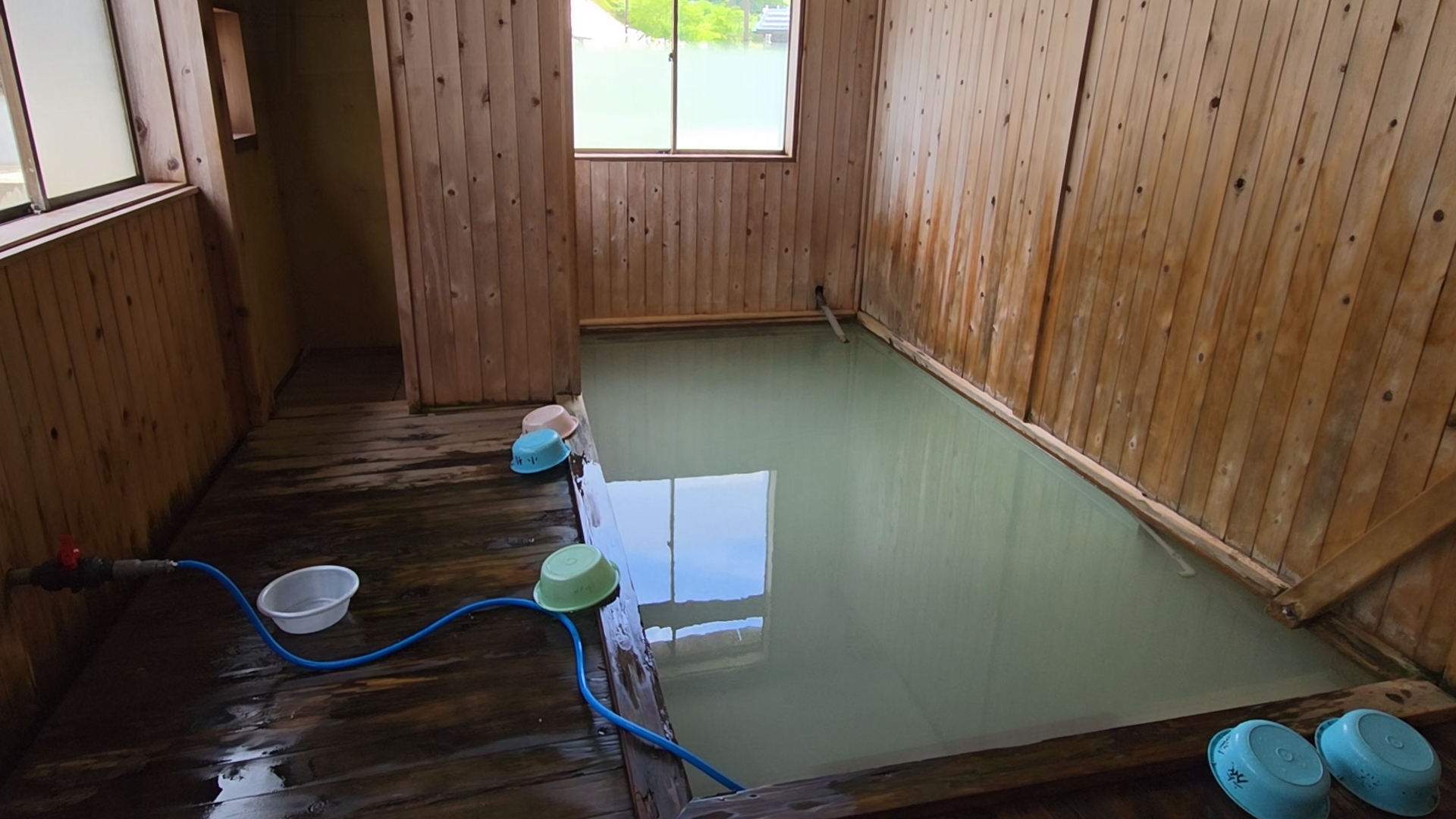
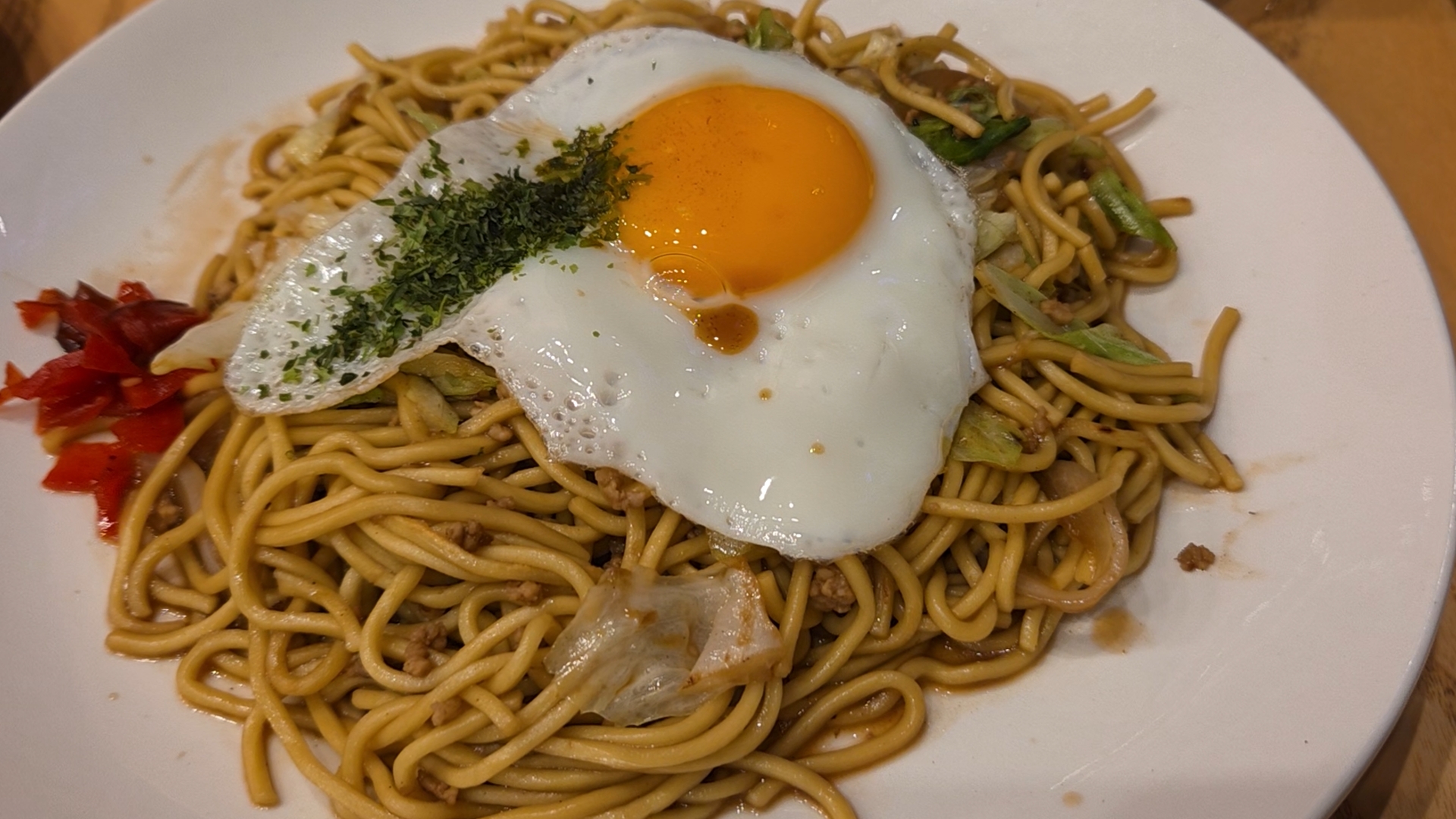
On the third day, after resting at an accommodation in Yokote City, we enjoyed the local hot springs and Akita’s regional cuisine. In Yokote, we couldn’t miss Yokote Yakisoba, a fried noodle dish topped with a sunny‑side‑up egg that’s especially popular there.<br />
<br />
Akita is full of hidden hot‑spring retreats that we absolutely love, and this time we visited one of them: Doroyu Onsen near Yuzawa City. It was truly a healing retreat for the overworked Achilles tendons of climbers in their fifties. 01
On the third day, after resting at an accommodation in Yokote City, we enjoyed the local hot springs and Akita’s regional cuisine. In Yokote, we couldn’t miss Yokote Yakisoba, a fried noodle dish topped with a sunny‑side‑up egg that’s especially popular there.<br />
<br />
Akita is full of hidden hot‑spring retreats that we absolutely love, and this time we visited one of them: Doroyu Onsen near Yuzawa City. It was truly a healing retreat for the overworked Achilles tendons of climbers in their fifties. 02
On the third day, after resting at an accommodation in Yokote City, we enjoyed the local hot springs and Akita’s regional cuisine. In Yokote, we couldn’t miss Yokote Yakisoba, a fried noodle dish topped with a sunny‑side‑up egg that’s especially popular there.

Akita is full of hidden hot‑spring retreats that we absolutely love, and this time we visited one of them: Doroyu Onsen near Yuzawa City. It was truly a healing retreat for the overworked Achilles tendons of climbers in their fifties.
I have to mention the increasing risk of bear attacks, especially in Akita. A few years ago, I used to say that adventures like Sawanobori were relatively safe in Japan because there were no critically dangerous wild animals. But that is no longer true. The number of bear attacks has doubled this year, in 2025. There have been more than 200 reported attacks, and over 15 people have been killed.<br />
<br />
Several possible reasons have been suggested, for example, changes in mountain vegetation affecting the bears’ diet, or bears moving closer to villages as primary industries decline, but no one knows the exact cause. What is clear is that this trend will continue for at least the next few years. For that reason, I don’t recommend hiking alone in the Tohoku region, especially in Akita. The risk of a bear encounter is realistically high at any time. Those bears recognize you as their food recently. That's the fact I have to share with you. 01
I have to mention the increasing risk of bear attacks, especially in Akita. A few years ago, I used to say that adventures like Sawanobori were relatively safe in Japan because there were no critically dangerous wild animals. But that is no longer true. The number of bear attacks has doubled this year, in 2025. There have been more than 200 reported attacks, and over 15 people have been killed.<br />
<br />
Several possible reasons have been suggested, for example, changes in mountain vegetation affecting the bears’ diet, or bears moving closer to villages as primary industries decline, but no one knows the exact cause. What is clear is that this trend will continue for at least the next few years. For that reason, I don’t recommend hiking alone in the Tohoku region, especially in Akita. The risk of a bear encounter is realistically high at any time. Those bears recognize you as their food recently. That's the fact I have to share with you. 02
I have to mention the increasing risk of bear attacks, especially in Akita. A few years ago, I used to say that adventures like Sawanobori were relatively safe in Japan because there were no critically dangerous wild animals. But that is no longer true. The number of bear attacks has doubled this year, in 2025. There have been more than 200 reported attacks, and over 15 people have been killed.

Several possible reasons have been suggested, for example, changes in mountain vegetation affecting the bears’ diet, or bears moving closer to villages as primary industries decline, but no one knows the exact cause. What is clear is that this trend will continue for at least the next few years. For that reason, I don’t recommend hiking alone in the Tohoku region, especially in Akita. The risk of a bear encounter is realistically high at any time. Those bears recognize you as their food recently. That's the fact I have to share with you.


Akayumata / Kojiさんの活動データ | YAMAP / ヤマップ
TOPへ戻る

WALK WITH US!

SUSTAINABILITY

SUSTAINABILITY

We promote sustainable tourism in collaboration with guests who embrace the vision, emphasizing respect for and enjoyment of the environment, culture, and economy of the regions we visit.

COMFORT

COMFORT

We do our best to mitigate “over-tourism” by exploring less-traveled but captivating destinations - mainly for the comfort of our guests but also for the communities affected by overcrowded attractions.

CULTURE & NATURE

CULTURE & NATURE

We integrate “Nature & Culture” into our service by visiting cultural sites and savoring local cuisine on our way to hiking destinations.

RESPONSIBILITY

RESPONSIBILITY

We contribute 10% of our profits to the regions we frequently visit.